
Being young comes with moments of vulnerability. Young people may depend on adults for guidance, education, employment and other opportunities, and unfortunately, these points of dependence can sometimes be exploited. During Freedom Foundation’s UN National Youth Day live session, the conversation on sexual assault and exploitation examined some of the ways young people become vulnerable to abuse, as well as the importance of creating support systems that help survivors recover.
How Young People Become Vulnerable
Dolapo Ojo-Adetuyi, drawing from her experience at Genesis House, highlighted the different ways young people can be targeted. These include individuals pretending to offer job opportunities, young girls in rural communities being deceived into prostitution, and older figures approaching young people with promises of trade opportunities or assistance with education.
Economic pressure can make these promises particularly appealing. When a young person is looking for a way to support themselves or improve their circumstances, an opportunity that appears to offer a way forward may be difficult to question. One red flag discussed during the session was when an offer from a relative, job recruiter or other individual seems “too good to be true.” Young people were encouraged to exercise discernment and carefully consider who they trust and where they turn for opportunities.
The discussion also emphasised that sexual violence is not limited to one gender. Young boys and men can also experience rape and sexual abuse, highlighting the need for conversations about sexual violence to recognise and support all survivors.
When Victims Are Blamed
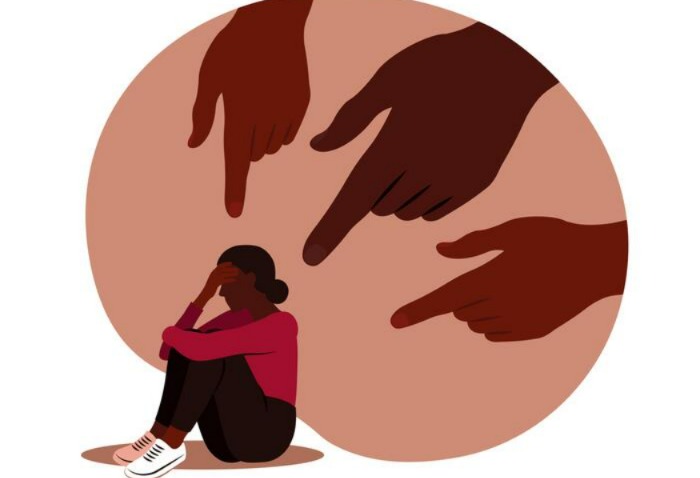
One of the major concerns raised during the session was the tendency to blame victims of sexual assault. Questions about what a survivor wore, where they went, who they trusted or why they did not leave can shift responsibility away from the person who committed the abuse.
For survivors, this kind of response can make an already difficult experience even harder. Instead of creating an environment where victims feel safe enough to speak, victim-blaming can encourage silence and isolation.
Moving away from victim-blaming therefore requires a stronger culture of listening and understanding. Rather than immediately questioning a survivor’s actions, the first response should be to listen to them, understand what they are going through and offer comfort and support.
Supporting Survivors Through Recovery
The conversation also highlighted some of the challenges faced by young survivors during recovery at Genesis House. The first few months can be marked by distrust as survivors process what has happened to them. Economic pressures and personal influences can further complicate their recovery and may leave them vulnerable to people who seek to take advantage of their circumstances.
This makes a strong support system essential. Young people need spaces where they can communicate openly, ask questions and seek guidance from responsible adults without fear of judgment. When parents are not available or forthcoming, young people are encouraged to be careful about who they turn to for help and to seek out responsible and trustworthy adults.
Creating Safer Spaces for Young People
Sexual assault and exploitation are issues that cannot be addressed by simply telling young people to “be careful.” Prevention also requires communities to create environments where young people have access to reliable information, safe support systems and people they can trust.
The conversation served as a reminder that when a young person experiences sexual assault or exploitation, the response should begin with compassion rather than blame. Listen. Understand. Comfort. Support. These simple actions can be an important starting point in helping survivors regain a sense of safety and begin their journey towards recovery.
By Okpala Naomi