
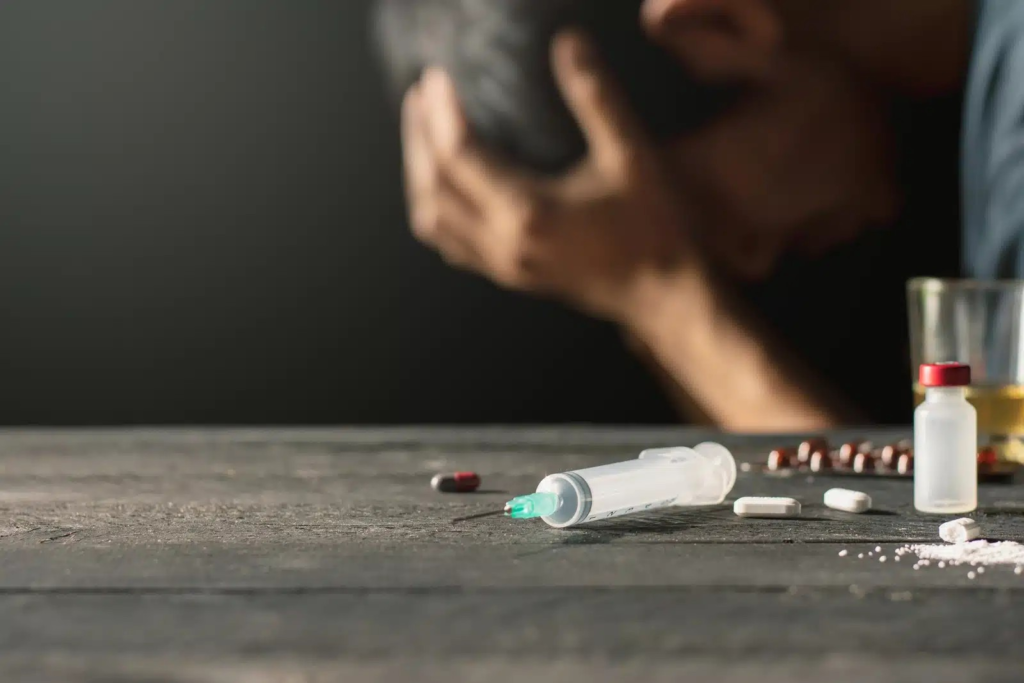
When people hear the words drug addiction, they may picture someone who has simply made irresponsible choices and needs to “stop.” But addiction is rarely that simple. Behind substance use can be curiosity, peer pressure, trauma, stress, poverty, loneliness or a desire to escape difficult circumstances. Understanding these factors does not excuse harmful behaviour. It helps us understand how to respond to it.
Nigeria is facing a significant drug-use challenge. According to the United Nations Office on Drugs and Crime (UNODC), Nigeria’s drug-use prevalence is estimated at 14.4 percent, nearly three times the global average. UNODC reported in 2025 that more than three million Nigerians were living with drug use disorders.
These are not simply statistics. They represent students struggling in school, families dealing with financial and emotional strain, and individuals whose relationships, careers and futures are being affected by substance dependence. One of the most damaging misconceptions about addiction is that people continue using drugs because they do not care enough to stop.
Addiction can affect the brain’s reward and motivation systems, making it difficult for some people to control substance use even when they understand its consequences. Recovery therefore often requires more than willpower. It may require treatment, counselling, rehabilitation, social support and a stable environment. There is also no single reason why someone begins using drugs.
Some people experiment out of curiosity. Others are introduced through friends or social groups. Some use substances to cope with emotional pain or difficult experiences. What begins as experimentation or temporary relief can gradually become dependence. This is why prevention must go beyond fear-based messages.
Young people need honest information about drugs, their risks and their effects. They also need healthy ways to cope with stress, supportive relationships and opportunities that give them a sense of purpose. Schools, families, community organizations and government agencies all have a role to play in creating these protective environments. Stigma, however, can make recovery much harder.
A person struggling with addiction may avoid seeking help because they fear being rejected by their family, judged by their community or permanently labelled as a “drug addict.” When people are ashamed to ask for help, problems can remain hidden until they become more severe.
A person should not be reduced to their addiction. They are a human being experiencing a difficult problem, and recovery is possible. For some, recovery may involve medical treatment or residential rehabilitation. Others may need counselling, peer support, family intervention or long-term aftercare. Whatever the path, returning to a supportive environment is an important part of rebuilding a life beyond addiction.
Addressing drug addiction therefore requires more than punishment or enforcement. It requires prevention, treatment, rehabilitation, social support and opportunities for reintegration. The question should not only be, “How do we stop people from using drugs?”
We should also ask: “Why are people turning to drugs, what support do they need, and how can we help them build lives they do not need to escape from?” Compassion does not mean ignoring the consequences of drug use. It means recognizing that accountability and compassion can exist together. Because behind every addiction is a human being—and recovery begins when we start treating them like one.
By Noami Opala