
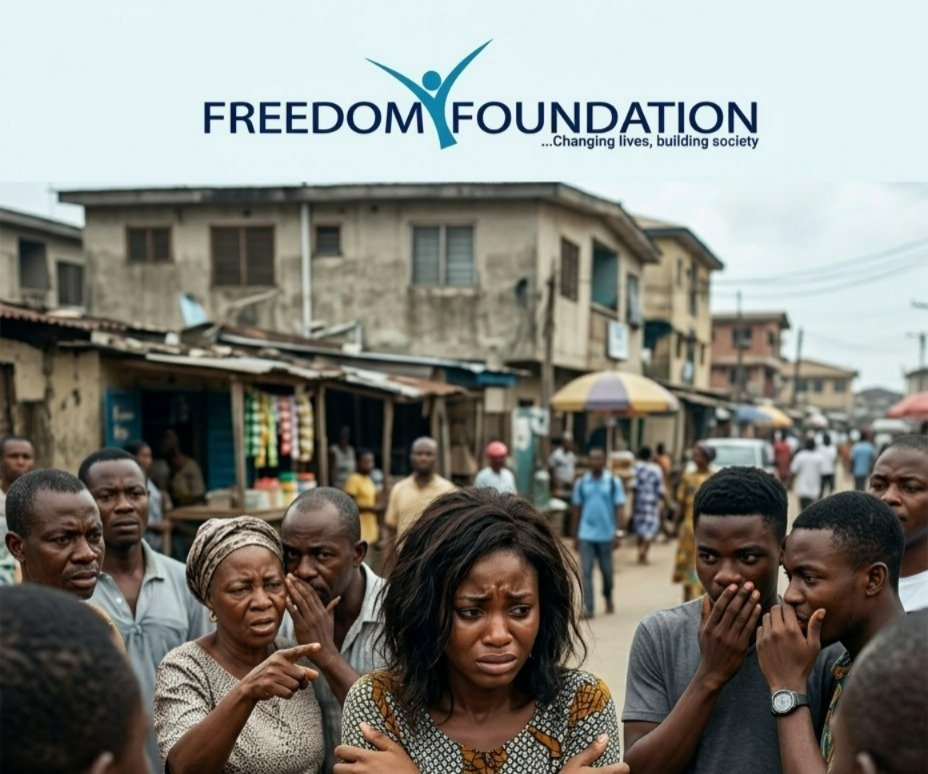
One of the most damaging shifts in conversations about sexual exploitation and violence is the tendency to question the victim before questioning the person who caused the harm. Was she too busty? Was she dressed too openly? Why was she there? Why was she out at that time? Why did she go to that place? Why was she alone?
These questions may sound like attempts to understand what happened, but they can quietly shift responsibility away from the perpetrator and place it on the person who was harmed. A woman’s body is not an invitation. Her clothing is not consent. Being open, confident, attractive, or expressive does not make her responsible for someone else’s decision to exploit or violate her.
This is part of a wider culture of victim-blaming: instead of asking “Why did someone choose to harm her?”, society asks “What did she do to cause it?” But the responsibility belongs with the perpetrator. We have become so accustomed to teaching women how to avoid being harmed that we sometimes forget to teach society not to harm them.
We tell women to cover up.
We tell them not to walk alone.
We tell them not to go to certain places.
We tell them to be careful about who they trust.
We tell them to change their behaviour.
But where is the same urgency in teaching people that another person’s body, trust, openness, or presence never permits them to exploit?
A woman should not have to become smaller, quieter, less confident, or less visible to deserve safety. And being at the wrong place at the wrong time does not make someone responsible for what another person chooses to do to them. Yes, personal safety matters. Awareness matters. Precautions can matter. But precautions should never become a weapon used to judge survivors after they have already been harmed.
We need to change the questions we ask.
Not “Why was she wearing that?”
Not “Why was she so open?”
Not “Why did she go there?”
Not “Why didn’t she know better?”
Instead, ask: Why did someone believe they had the right to exploit her?
Because when we constantly ask women what they could have done differently, we risk forgetting to ask what the perpetrator should never have done in the first place and maybe that is the shift we need. Stop measuring a woman’s right to safety by how carefully she behaved. Stop making her clothing, body, personality, location, or choices the centre of the conversation. The standard should be simple: a person deserves safety because they are a person, not because they dressed “appropriately,” stayed home, or made every decision society considers “safe.”
Every woman deserves to be safe whenever and wherever. Safety should never be something she has to earn.
By Akubueze Chelsea.